About the village
Old streets.
Open spirit.
A compact Cape Town neighbourhood shaped by working cottages, city life, creative reinvention and a proudly welcoming community.
Where it sits
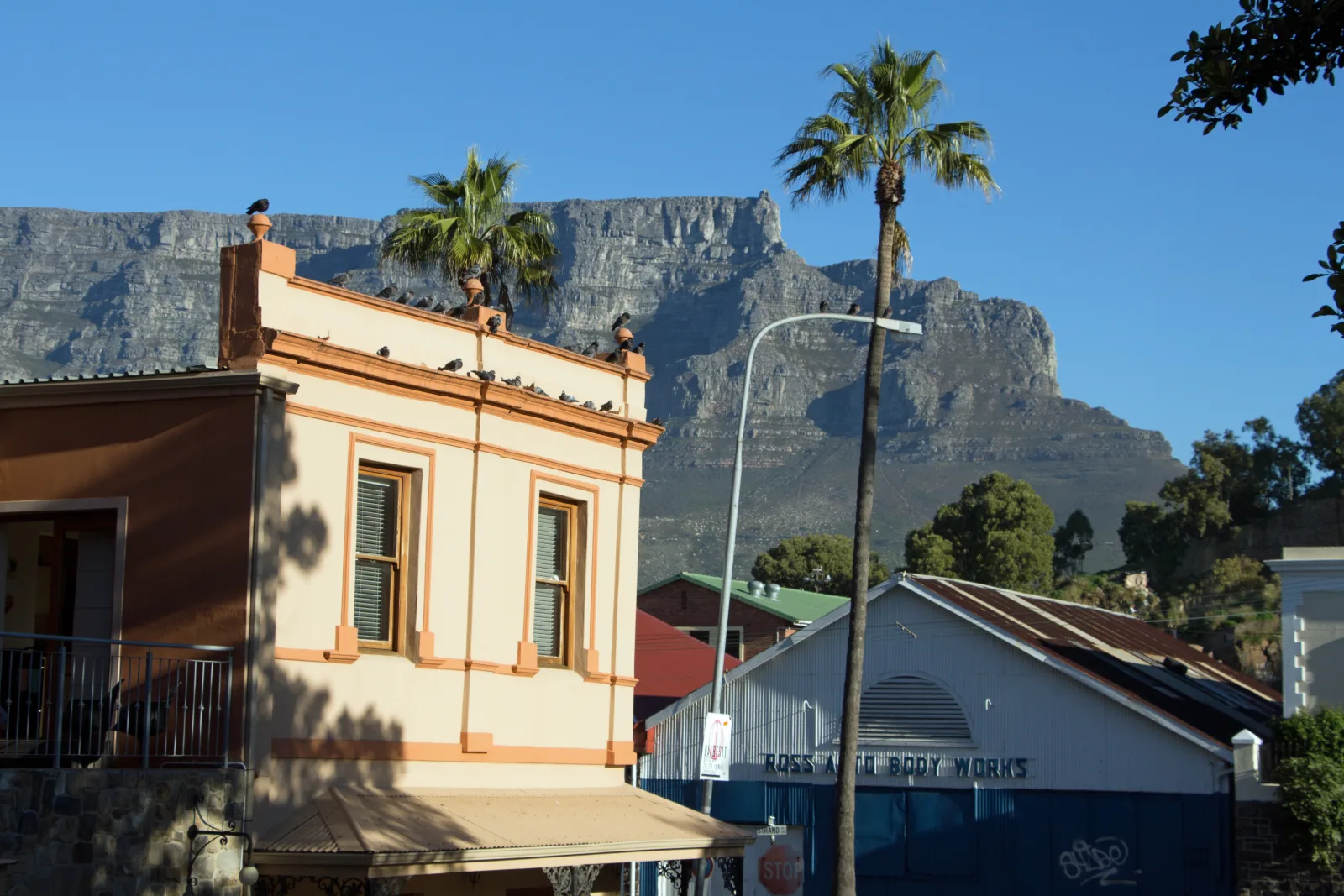
On the lower slopes of Signal Hill, De Waterkant meets the central city to the south-east and Green Point toward the Atlantic. The V&A Waterfront lies beyond the old dockside edge.
At noon, listen for the historic signal gun above the rooftops. Learn why it fires.
The Dutch name De Waterkant means “the waterside” — a memory of the neighbourhood’s relationship with Table Bay before foreshore reclamation shifted the shoreline farther away.
A layered history
The city grew around these streets.
No neighbourhood has a single story. De Waterkant’s built fabric, communities and reinventions sit within Cape Town’s wider colonial and apartheid history.
18th–19th c.
A working urban quarter
Modest flat-roofed and Georgian-influenced homes developed near the old harbour and on the edge of the city. Narrow frontages, parapets, fanlights and small stoeps gave the working quarter its intimate street rhythm. Artisans, labourers and a diverse Cape population lived close to work and trade.
20th c.
Disruption and change
Apartheid’s racial laws reshaped central Cape Town through forced removals and exclusion. Later decades brought disinvestment, restoration and gentrification — changes that remain part of the area’s honest context.
Late 20th c.
A creative village
Restoration, independent design, nightlife and new communities reshaped De Waterkant. A confident culture of self-expression became part of its modern identity.
Today
Heritage in a living city
Restored cottages sit beside apartments, shops and the Cape Quarter. It is both a visitor destination and a residential neighbourhood where good tourism respects the people next door.
What makes it itself
Four shades of De Waterkant.
Heritage scale
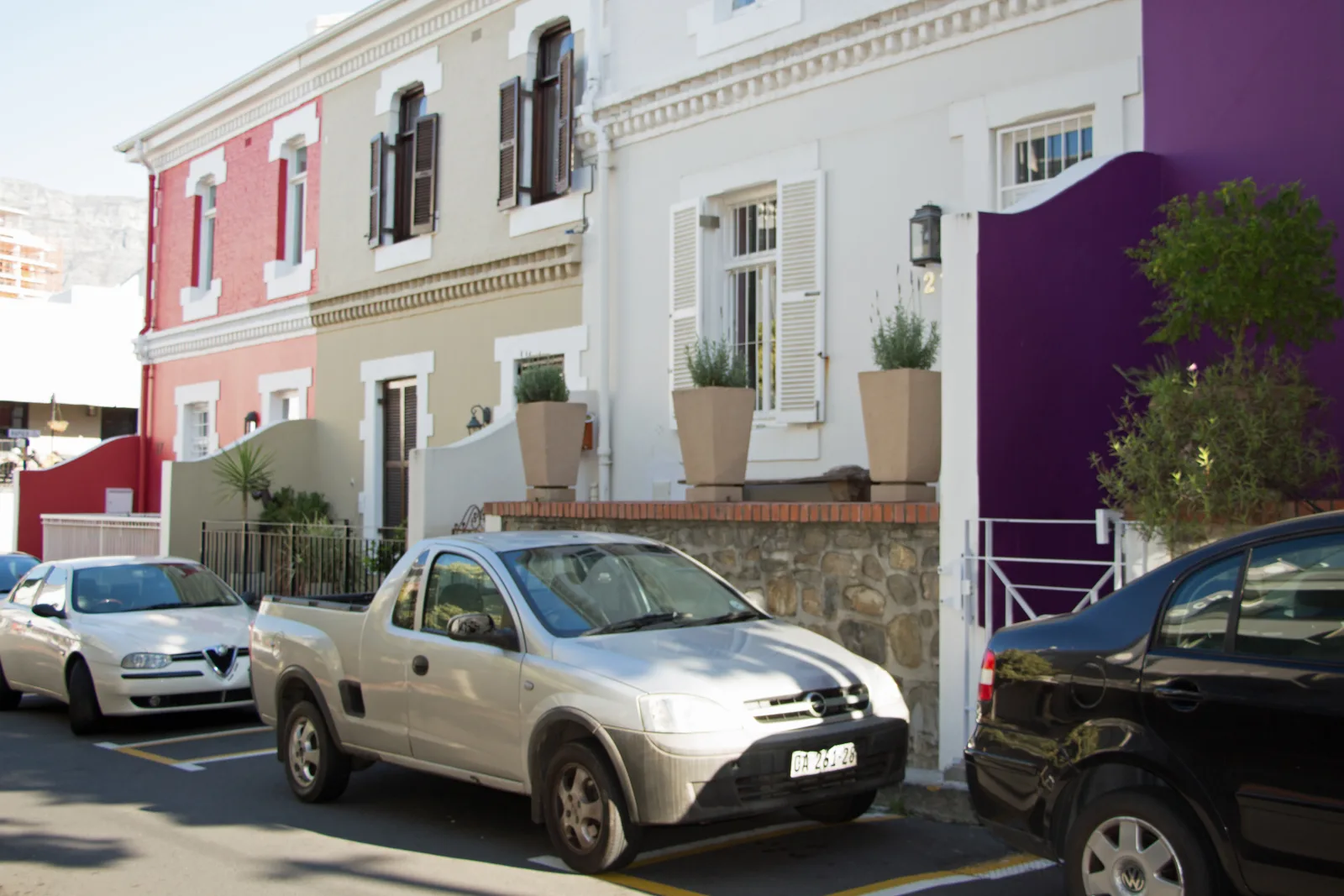
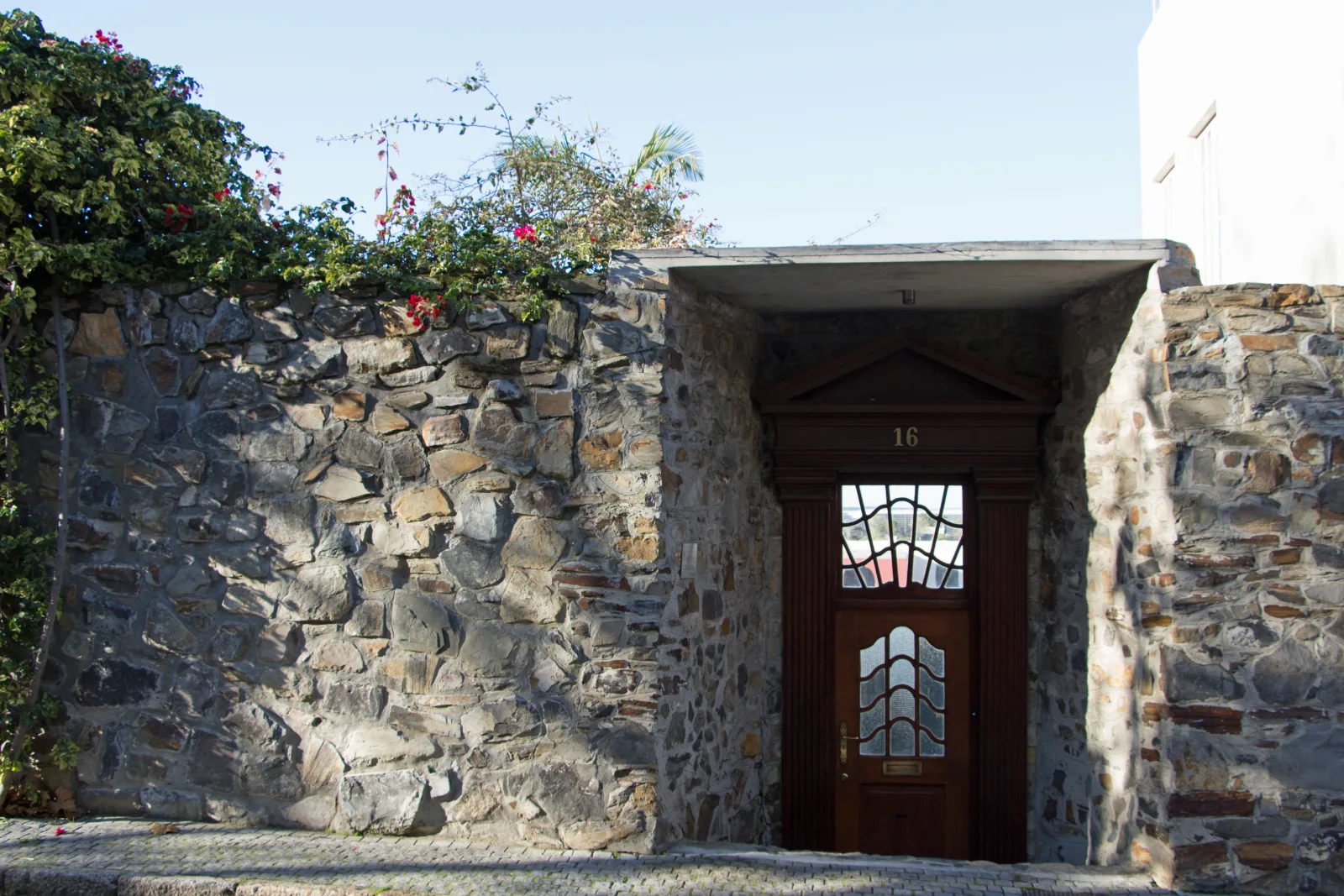
Cobbled lanes, close-set cottages, flat rooflines and fanlit doors best noticed on foot.
Independent eye
Fashion, furniture, food and art made with a point of view.
Open spirit
A neighbourhood comfortable with individuality, creativity and change.
Central rhythm
Village familiarity with all the movement of central Cape Town.
Visit well
Be a good neighbour.
Keep late-night sound down on residential lanes, use water thoughtfully, support independent businesses and ask before photographing people or private homes up close.
“The best way to understand De Waterkant is slowly: morning light, one steep block, a conversation across a counter, then another street you had not meant to take.”
Belong in the local guide
List your business or property.
We are building the guide with verified local businesses, accommodation and property listings. Email the editor to add, claim or update a listing.
Email editor@dewaterkant.capetown